About Dr. Watts
In service of the whole person.
Dr. Emily Watts brings warmth, discretion, and a physician's rigor to every person and organization she cares for — meeting people thoughtfully, wherever they find themselves in life.
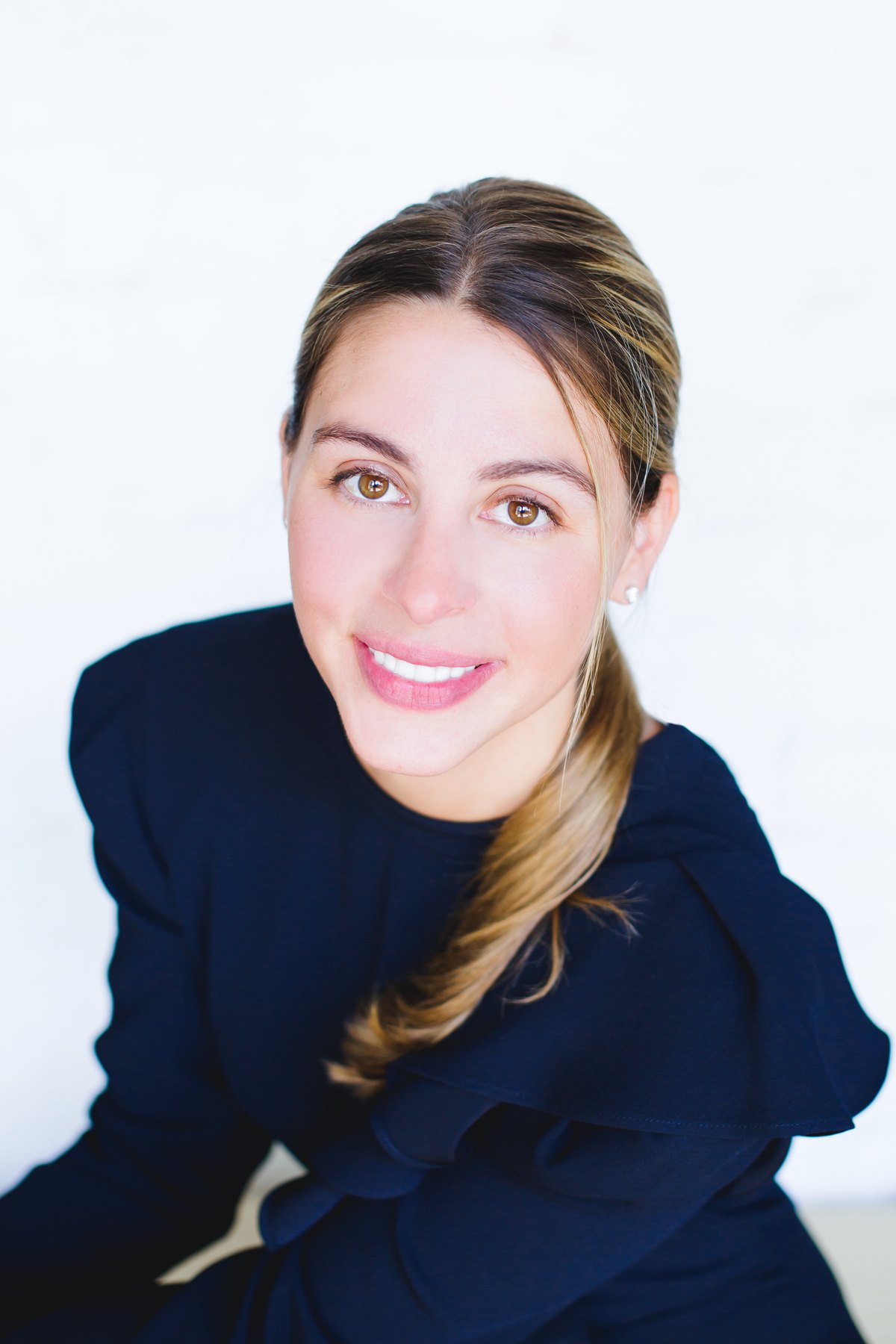
About Dr. Watts
Dr. Emily Watts brings warmth, discretion, and a physician's rigor to every person and organization she cares for — meeting people thoughtfully, wherever they find themselves in life.
Her Practice
At its heart, Dr. Watts' practice is general adult psychiatry — care for adults across the full range of concerns, with subspecialty depth in women's mental health. Her approach is warm, rigorous, and deeply individualized: she holds the physical, mental, and social together, sees each person within the relationships and family systems around them, and treats the whole body with precision medicine and longitudinal care — as attentive to sleep, metabolism, and long-term health as to the mind.
She earned her medical degree at Emory University and trained in general adult psychiatry at New York University — across the private, public, and federal hospitals of NYU Langone, Bellevue, and the Manhattan VA, and outpatient clinics serving people from every background across the city — among the busiest, highest-acuity settings in American medicine. She then completed formal, academic fellowship training in reproductive psychiatry — offered at only a handful of academic centers in the country — along with a fellowship in public psychiatry, and remains on faculty at NYU Grossman School of Medicine. That uncommon breadth, held with humility, shapes how she cares for an individual, reads a family, and understands an organization as a system.
A neuroscientist by training, Dr. Watts graduated summa cum laude in Neuroscience & Behavioral Biology from Emory University. Research ran through more than a decade of her education, from her undergraduate years through her medical training — a scientific foundation that still shapes how she understands the mind and body.
Advocacy
As a mother herself, Dr. Watts cares deeply about the wellbeing of women and children everywhere. A longtime champion of UNICEF, Dr. Watts was a founding member of UNICEF Next Generation's Global Principals and has served on the Programs & Advocacy Committee of the UNICEF USA National Board. This year, she joins the International Council of UNICEF as a new member.
She has also served on the advisory council of the Stanford Center on Longevity and as a trustee of the National Child Research Center, a historic, research-informed early-childhood school founded in 1928 and devoted to the whole child.
Together, these roles trace the causes closest to her: the health of women and children across the developing and developed world, early childhood development and education, humanitarian relief and sustainable development, mental wellness, longevity and healthy aging, and climate resilience.
In Forbes: UNICEF Next Generation & the Power of Collective Action
Outside the Office
Dr. Watts' curiosity has never stopped at medicine. She's drawn to the bigger questions — meaning, purpose, and what carries people through hard and pivotal moments. In college she gravitated toward the humanities as much as the science.
That open, integrative outlook still shapes how she practices — as does a love of movement and the mind-body connection, which she explores through yoga, Pilates, and endurance sports. She first found her way to endurance while rebuilding her strength after becoming a mother, and stayed for its psychology — and for the community she found training alongside close friends, in the quiet joy of showing up, together.
Professional Associations
An active member of the professional communities advancing women's and perinatal mental health:
Scholarship & Research
Research was an important part of Dr. Watts' education and medical training, in leading laboratories at Emory University, Columbia University, Mount Sinai, and Stanford University. Her work spanned basic neuroscience and human development, examining how stress and experience interact with biology across molecular, neural, developmental, and intergenerational levels — from adverse childhood experiences (ACEs) and the intergenerational transmission of stress to the brain's reward pathways and the roots of resilience. She has co-authored papers in journals including Nature Neuroscience.
That time in research provided a scientific foundation for how she thinks about mental health today: not as biology or experience in isolation, but as the product of dynamic interactions among biology, development, relationships, and environment. It also shaped an enduring interest in resilience — not simply as the absence of illness, but as an active process of adaptation in the face of stress.
Examined associations among childhood stress, attention-related symptoms, and brain development, highlighting how the timing and context of experience may intersect with neurodevelopment.
Investigated molecular mechanisms through which repeated dopaminergic treatment produces lasting changes in brain circuitry and behavior, contributing to a broader understanding of experience-dependent neural plasticity.
Examined how paternal stress exposure was associated with behavioral changes in offspring, and explored the extent to which those effects could — or could not — be explained by germline epigenetic mechanisms.
Identified a molecular pathway within brain reward circuitry associated with resilience to chronic stress, supporting the idea that resilience involves active biological adaptation.
Demonstrated how chronic experience can influence epigenetic regulation and neuronal structure within reward circuitry, linking environmental exposure with neural plasticity and emotional behavior.
Identified a molecular mechanism within brain reward circuitry that contributes to resilience following chronic stress and to antidepressant response, helping illuminate the biology of adaptation rather than vulnerability alone.
Now welcoming new inquiries — for clinical care, organizational work, and retreats alike.